Sustainable living is more than a trend—it’s a conscious lifestyle choice that prioritizes the health of our planet and future generations. At its heart, it’s about eco living practices that reduce harm while creating a more balanced, intentional way of life.
While the idea of sustainability can feel overwhelming at first, living sustainably doesn’t require drastic change. It begins with small, thoughtful decisions that gradually shape a life of low-impact living—one that feels calmer, simpler, and more connected to the natural world.
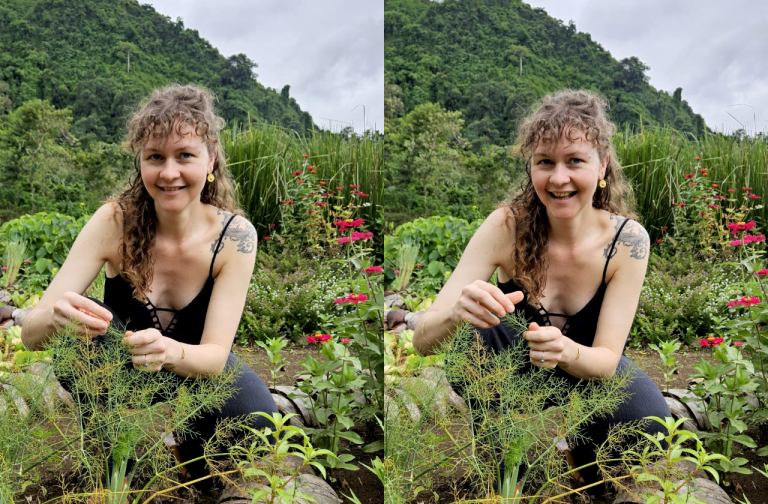
At SUKHA Cabin, sustainable living is approached as a way of life rooted in nature, simplicity, and awareness. Through intentional design, mindful routines, and a close relationship with the land, SUKHA offers a gentle example of what living with nature can look like in practice.
"Sustainable living isn’t about perfection. It’s about awareness."
What Is Sustainable Living?
At its core, sustainable living is about reducing your environmental footprint by making choices that conserve natural resources, minimise waste, and support regenerative living. This can include reducing single-use plastics, conserving energy and water, supporting local producers, or choosing spaces and experiences that respect the natural environment.
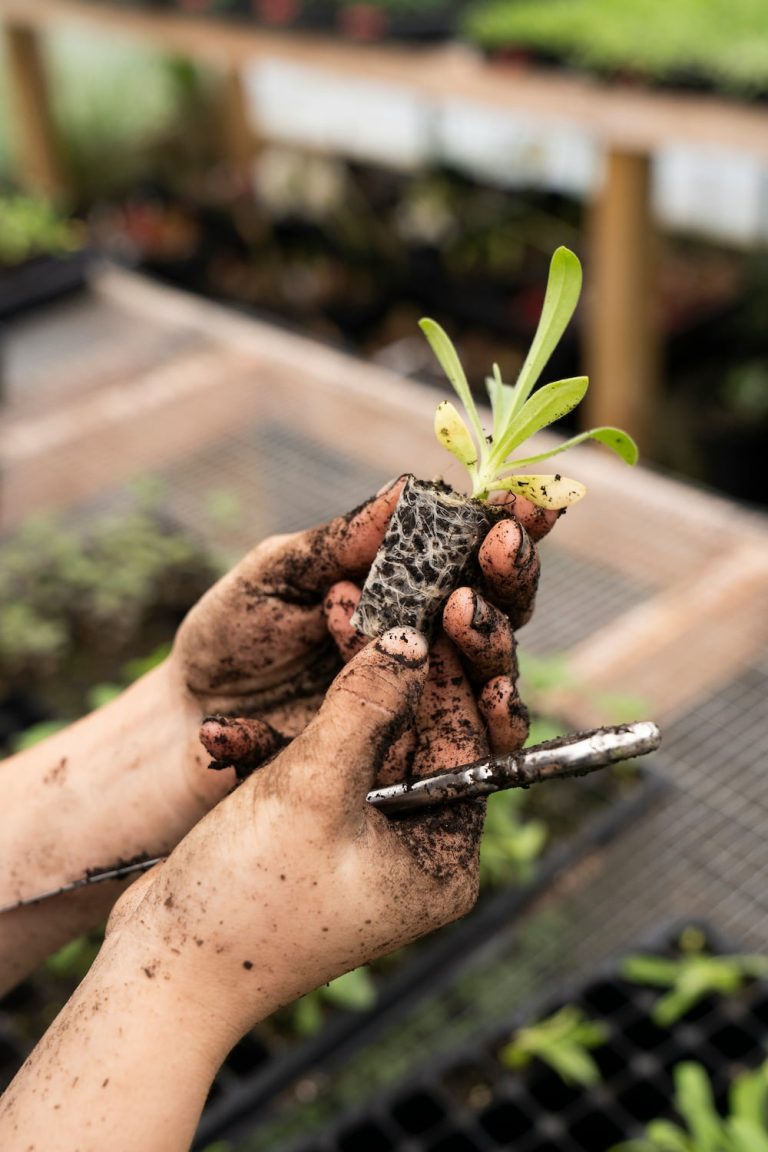
Transitioning to a more sustainable lifestyle can be empowering. Small actions—when practiced consistently—can create meaningful impact over time. One example is reconnecting with food through an edible garden, where growing even a small amount of your own produce encourages mindful consumption and a deeper appreciation for natural cycles.
Simple Steps to Start Your Sustainable Living Journey
If you’re new to sustainable living, there’s no need to change everything at once. Here are a few practical, beginner-friendly ways to start:
1. Reduce Single-Use Plastics
One of the easiest ways to cut down on waste is by reducing single-use plastics. Start by swapping plastic bags for reusable cloth ones, using a refillable water bottle, and opting for products with minimal or eco-friendly packaging. These small changes can significantly reduce the amount of plastic waste that ends up in landfills or oceans. These simple habits support low-impact living and significantly reduce waste over time.
2. Shop Locally and Sustainably
Supporting local farmers and businesses not only boosts your local economy but also reduces the carbon footprint associated with long-distance shipping. Look for farmers’ markets, eco-conscious stores, and brands that prioritize sustainable practices. Many products, from fresh produce to personal care items, are now available in eco-friendly versions, allowing you to align your purchases with your values. This is a foundational part of eco living.

3. Conserve Energy at Home
Simple habits like turning off lights when you leave a room, using energy-efficient bulbs, and unplugging appliances when they’re not in use can help reduce your energy consumption. If you’re feeling ambitious, consider investing in renewable energy options like solar panels or even designing spaces that embrace natural light—similar to well-positioned windows for stargazing that bring the beauty of nature inside, reducing the need for artificial lighting.
4. Reduce Water Usage
Water is a precious resource, and conserving it is a vital aspect of sustainable living. Start by fixing leaky faucets, taking shorter showers, and using water-efficient appliances. Small changes like these can make a big difference over time.
5. Adopt a Minimalist Mindset
Sustainable living is closely tied to minimalism—the idea that having fewer possessions leads to a more meaningful life. Instead of accumulating things, focus on buying less and choosing high-quality, long-lasting items when you do make a purchase. It’s also worth considering second-hand shopping or upcycling to reduce the demand for new products.
6. Grow What You Can
Growing herbs, vegetables, or fruit—no matter the scale—builds awareness of where food comes from and reduces reliance on industrial systems. This approach is closely aligned with permaculture, which is part of the foundation of SUKHA, a practice of listening to nature, observing before acting, and working with what is already there rather than imposing control.
Learn about Permaculture Principles
"Sustainable living begins with small, mindful choices made daily."
Why Sustainable Living Matters
The transition to sustainable living comes with many rewards, both for you and the planet. Here are just a few benefits you’ll experience:
- Cost Savings: By using less energy, water, and disposable products, you’ll notice a significant reduction in your utility bills and day-to-day expenses.
- Improved Health: Many sustainable practices, such as eating organic and locally grown food, lead to a healthier lifestyle. Growing your own food in an edible garden can also encourage you to eat fresh, seasonal produce.
- Increased Well-Being: Living sustainably often leads to a simpler, more mindful lifestyle. The process of reducing waste, conserving resources, and supporting ethical companies can provide a deeper sense of purpose and satisfaction.
Sustainable living reminds us that we are part of the natural world—not separate from it.

For further reading on global sustainability efforts, you can explore WWF – Sustainable Living
Sustainable Living in Your Community
Another important aspect of sustainable living is community involvement. Join local environmental groups, participate in clean-up events, or get involved in sustainability initiatives in your area. By working together, we can create a ripple effect of positive change that benefits not just individuals, but entire communities.
Sustainable living is also a fantastic way to teach children the importance of caring for the planet. Encourage them to take part in eco-friendly activities like gardening, recycling, or conserving water. These lessons will stay with them throughout their lives, helping to shape future generations who are mindful of their impact on the Earth.
If you’re curious to experience sustainable living in a real, grounded way, you can explore:
Start Your Sustainable Journey Today
The key to sustainable living is understanding that every small step counts. Whether you’re swapping plastic for reusable materials, supporting eco-conscious brands, or simply turning off the lights when you leave a room, you’re contributing to a healthier, more sustainable world.
By making thoughtful, eco-friendly choices in your daily life, you’ll discover that sustainable living is not only achievable but deeply rewarding. Start where you are, make one small change at a time, and watch as those changes positively impact both your life and the planet.
Ready to explore more ways to live sustainably? From creating your own edible garden to finding eco-conscious products, every little action helps build a brighter future for our planet.
"Living with nature begins by slowing down and paying attention.”
Discover more reflections in our SUKHA Journal, where more sustainable living stories continue to unfold.
SUKHA is also opening its door to those creating from a place of nature, inner well-being, and being human. Let’s talk!